Polypropylene Structure | A Complete Explanation

Polypropylene Structure Polypropylene, or PP for short, is a plastic characterized by its high crystallinity and composed of various polypropylene monomers. Its exceptional toughness, rigidity, and resistance to various external factors have made it one of the most popular thermoplastics among plastic manufacturers. As a result, polypropylene finds its way into numerous products across various … Read more

Compressive Strength of Plastics | The Ultimate Guide

compressive strength in plastics

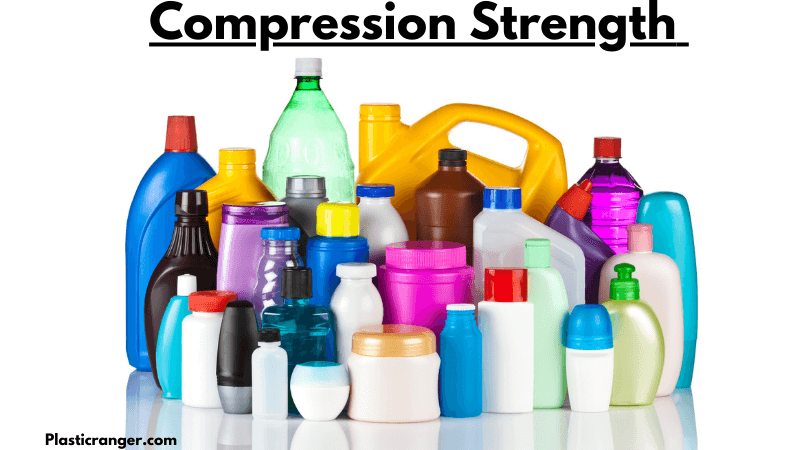
What is Compressive Strength In Plastics? Plastic compressive strength refers to the ability of plastic material to withstand compressive forces before it deforms or breaks. It is measured in stress units (such as pounds per square inch) and depends on the type and quality of the plastic. That is contrary to tensile strength resisting loads … Read more

Density Of Polycarbonate | The Ultimate Guide

Density of Polycarbonate A plastic material’s density is described as the mass per unit volume of a material, generally measured in grams per cubic centimeter (g/cm³) or kilograms per cubic meter (kg/m³). Polycarbonate density generally ranges from 1.20–1.22 g/cm3 and 1200 kg/m. Polycarbonate’s density is lower which is lower than many other thermoplastics, such as … Read more

Nylon Structure | A Comprehensive Overview

Nylon, also known as Polyamide, is a linear thermoplastic material that is highly durable and strong, making it a popular choice for engineering applications. It has exceptional tensile strength and is often used as a substitute for silk, rubber, and latex materials. Nylon Structure Nylon is widely used in various applications, including textiles, rubber components … Read more

Chemical Properties of Plastics | The Ultimate Guide

Hello people; I’m sharing a salient guide on plastic chemical properties today. Keep reading to get some exciting information about plastics. Chemical Properties of Plastics  The chemical properties of plastics are mainly influenced by the type of monomer used in their production and their chemical structure. Typically, plastics are produced from petroleum-based chemicals such as … Read more

Density of Polystyrene | The Definitive Guide

A plastic material’s density is described as the mass per unit volume of a material, generally measured in grams per cubic centimeter (g/cm³) or kilograms per cubic meter (kg/m³). Density of Polystyrene Polystyrene density generally ranges from 0.96–1.05 g/cm3 and 28–34 kg/m3, depending on its molecular weight, crystallinity, and processing conditions. The low density of … Read more

The Density Of Plastics | The Complete Guide

Hello everybody. Today I will share a deeply researched guide on the density of plastics. So without further ado, let’s get started. What is the Density of Plastic Materials? Density in plastics is the measurement of mass per unit volume. It is calculated by dividing the material’s mass by volume and is generally expressed in … Read more

Thermal Properties of Plastics | The Ultimate Guide

thermal properties of plastics

 What are the Thermal Properties of Plastics? Thermal properties in plastics mean their response to temperature changes and how they react when applied to heat. As a solid material absorbs heat, its temperature rises with a slight increase in dimensions. There are generally 4 thermal properties in plastic materials – heat deflection temperature, glass transition … Read more