PET Structure | The Ultimate Guide

Polyethylene terephthalate (PET) is a polymer comprising recurring units of terephthalic acid and ethylene glycol. Its unique structure provides durability and chemical resistance, making PET a widely-used material in textiles and packaging, with notable recyclability potential. PET Structure  PET plastic, also called PETE, is a widely used thermoplastic material that finds its applications in textiles, … Read more
LDPE Vs HDPE: A Comprehensive Comparison

Hello people, Today I’m going through the most subtle differences and similarities between LDPE and HDPE. I have done detailed research through multiple logs, forums, and a few articles published in books to get the most comprehensive information on two of the most renowned plastic materials in human history. So without further ado, let’s get … Read more

Top 10 Plastic Manufacturers in China

Top 10 Plastic Manufacturers in China China, the world’s largest manufacturer and consumer of plastic resins, plays a pivotal role in the global plastics industry. Diverse production lines mark the plastic resin manufacturing sector in China, manufacturing a variety of plastic resins, including Polyethylene (PE), Polypropylene (PP), Polyvinyl Chloride (PVC), Polyethylene Terephthalate (PET), and other … Read more

Structure of PVC | A Comprehensive Overview

Structure of PVC The structure of PVC involves a lengthy chain of vinyl chloride molecules, which contain chlorine, hydrogen, and carbon atoms, depicted by the chemical formula C2H3Cl. PVC is a thermoplastic polymer extensively utilized in the construction industry to produce door and window profiles, drinking and wastewater pipes, wire and cable insulation, medical devices, … Read more

How is Polypropylene Made? | The Finest Guide

How is Polypropylene Made Polypropylene is made from the polymerization of propylene gas by utilizing a Ziegler-Natta or metallocene catalyst. The polymerization variables are pressure, temperature, and reactant concentrations, which are decided according to the desired polymer grade. Polypropylene is a semi-rigid and high-temperature resistant thermoplastic made from propylene monomers. Its linear chemical structure makes … Read more

TPR Vs TPE | An Interesting Comparison

TPR Vs TPE TPR (Thermoplastic Rubber) and TPE (Thermoplastic Elastomer) are both thermoplastic materials that offer flexibility and elasticity. Still, TPR is a more rigid and more durable material, while TPE is softer and more rubber-like in texture. TPR is commonly used in products that require toughness and abrasion resistance. In contrast, TPE is used … Read more

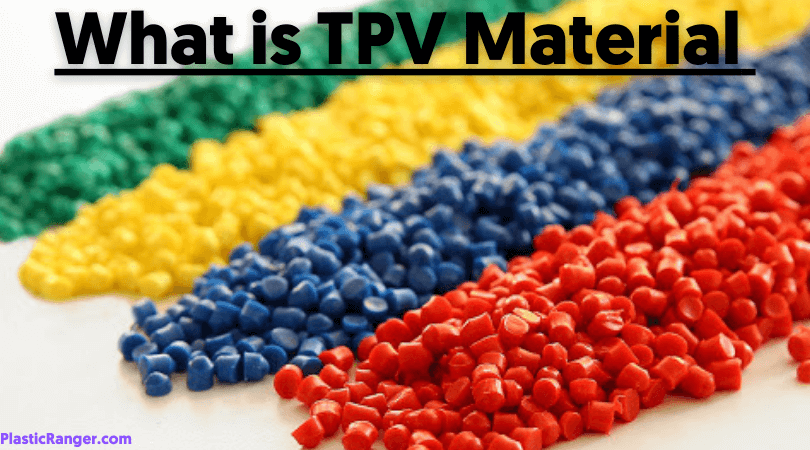
What is TPV Material? | The Definitive Guide

what is tpv material

Hello everybody, today I will share a phenomenal guide on thermoplastic vulcanisate. A hybrid between plastic and rubber was invented to create revolutionary products. What is TPV Material? TPV stands for Thermoplastic Vulcanizates, primarily comprised of polypropylene and EPDM, making them both elastic and capable of thermoplastic processing. As a subclass, they fit into the … Read more

UHMW Vs Delrin: A Comprehensive Comparison

UHMW vs Delrin

Hello people; the plastic community is full of jargon, which sometimes makes things confusing to understand. Thus, I have researched extensively to make a detailed guide on the difference between UHMW and Delrin. So let’s get started. UHMW VS Delrin UHMW vs. Delrin is a significant question for many plastic manufacturers. Both are high-performance plastic … Read more

PLA Melting Point | The Definitive Guide

PLA Melting Point  The melting point of PLA plastic typically ranges from 150 to 160 °C. PLA, also known as Polylactide, is a popular thermoplastic from lactic monomers sourced from natural materials such as sugarcane and corn. This versatile and biodegradable plastic has numerous applications and is the second most widely used bioplastic globally, with … Read more