HDPE VS PVC Pipe | A Comprehensive Comparison

Greetings everyone! Today, I’m excited to present an informative comparison between HDPE VS PVC. So, without further delay, let’s dive in. HDPE VS PVC  HDPE is a type of plastic that can stretch a little without breaking, making it strong but also flexible. This quality makes it great for pipes. On the other hand, PVC … Read more

25 Genius 3D Printing Ideas for a Smarter Life

In an era where technology seamlessly integrates into our daily lives, 3D printing emerges as a transformative force in home innovation. This article delves into 17 ingenious and practical ways 3D printing can be utilized in the home, showcasing its versatility beyond mere technological applications. From creating everyday household items to solving unique challenges, 3D … Read more

Polystyrene Structure | A Comprehensive Overview

Polystyrene Structure Polystyrene is a type of vinyl polymer. It consists of a lengthy hydrocarbon chain where every second carbon atom is connected to a phenyl group. It’s manufactured through the free radical polymerization process using the styrene monomer. Polystyrene is a thermoplastic polymer derived from the styrene monomer and is naturally transparent. It is … Read more

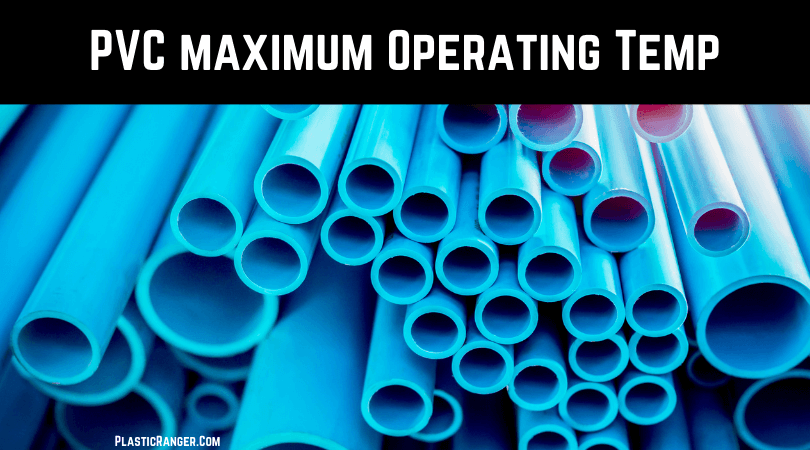
PVC & CPVC Maximum Operating Temperature

Hello People, I will share an exciting insight into PVC temperature rating and how much it can withstand before deforming. Let’s get into the meat of the topic without wasting any more time. PVC Temperature Rating Temperature De-Rating for ASTM D 2846 CTS CPVC SDR 11 Piping Systems. For PVC and CPVC Schedule 40 & … Read more

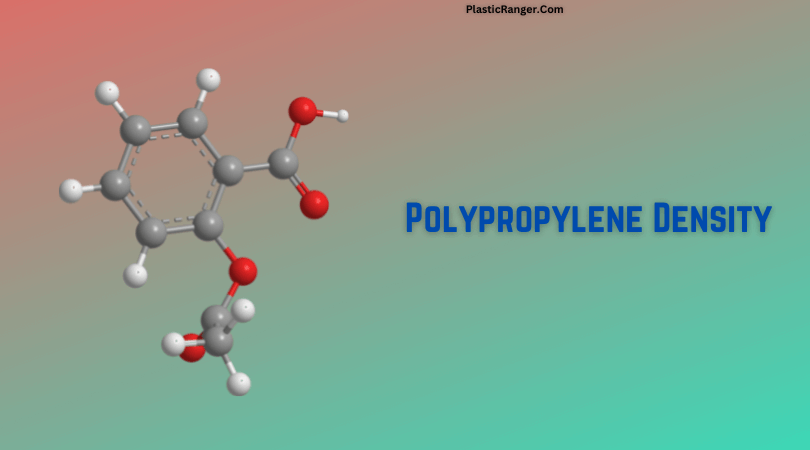
Polypropylene Density | All You Need To Know

Hey guys, polypropylene is one of the most produced plastic materials worldwide. Let’s go through a piece explaining PP density in detail. Polypropylene Density A plastic material’s density is described as the mass per unit volume of a material, generally measured in grams per cubic centimeter (g/cm³) or kilograms per cubic meter (kg/m³). The density … Read more

PET Structure | The Ultimate Guide

Polyethylene terephthalate (PET) is a polymer comprising recurring units of terephthalic acid and ethylene glycol. Its unique structure provides durability and chemical resistance, making PET a widely-used material in textiles and packaging, with notable recyclability potential. PET Structure  PET plastic, also called PETE, is a widely used thermoplastic material that finds its applications in textiles, … Read more

Top 10 Plastic Manufacturers in China

Top 10 Plastic Manufacturers in China China, the world’s largest manufacturer and consumer of plastic resins, plays a pivotal role in the global plastics industry. Diverse production lines mark the plastic resin manufacturing sector in China, manufacturing a variety of plastic resins, including Polyethylene (PE), Polypropylene (PP), Polyvinyl Chloride (PVC), Polyethylene Terephthalate (PET), and other … Read more

How is Polypropylene Made? | The Finest Guide

How is Polypropylene Made Polypropylene is made from the polymerization of propylene gas by utilizing a Ziegler-Natta or metallocene catalyst. The polymerization variables are pressure, temperature, and reactant concentrations, which are decided according to the desired polymer grade. Polypropylene is a semi-rigid and high-temperature resistant thermoplastic made from propylene monomers. Its linear chemical structure makes … Read more

TPR Vs TPE | An Interesting Comparison

TPR Vs TPE TPR (Thermoplastic Rubber) and TPE (Thermoplastic Elastomer) are both thermoplastic materials that offer flexibility and elasticity. Still, TPR is a more rigid and more durable material, while TPE is softer and more rubber-like in texture. TPR is commonly used in products that require toughness and abrasion resistance. In contrast, TPE is used … Read more