How is Polypropylene Made? | The Finest Guide

How is Polypropylene Made Polypropylene is made from the polymerization of propylene gas by utilizing a Ziegler-Natta or metallocene catalyst. The polymerization variables are pressure, temperature, and reactant concentrations, which are decided according to the desired polymer grade. Polypropylene is a semi-rigid and high-temperature resistant thermoplastic made from propylene monomers. Its linear chemical structure makes … Read more

TPR Vs TPE | An Interesting Comparison

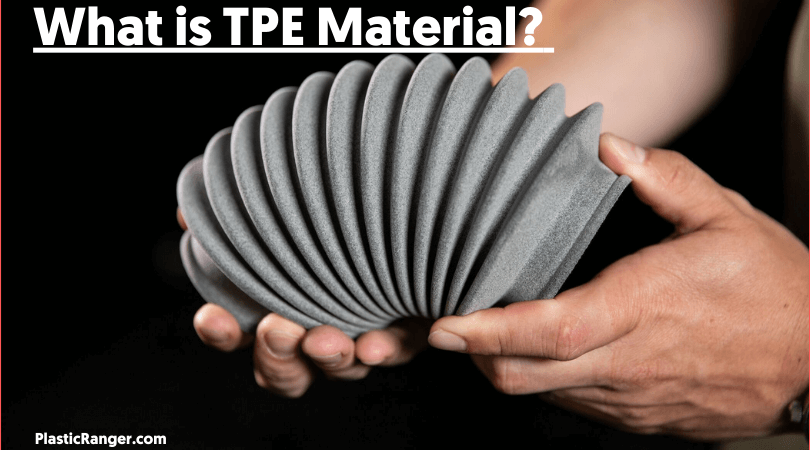
TPR Vs TPE TPR (Thermoplastic Rubber) and TPE (Thermoplastic Elastomer) are both thermoplastic materials that offer flexibility and elasticity. Still, TPR is a more rigid and more durable material, while TPE is softer and more rubber-like in texture. TPR is commonly used in products that require toughness and abrasion resistance. In contrast, TPE is used … Read more

What is TPV Material? | The Definitive Guide

what is tpv material

Hello everybody, today I will share a phenomenal guide on thermoplastic vulcanisate. A hybrid between plastic and rubber was invented to create revolutionary products. What is TPV Material? TPV stands for Thermoplastic Vulcanizates, primarily comprised of polypropylene and EPDM, making them both elastic and capable of thermoplastic processing. As a subclass, they fit into the … Read more

UHMW Vs Delrin: A Comprehensive Comparison

UHMW vs Delrin

Hello people; the plastic community is full of jargon, which sometimes makes things confusing to understand. Thus, I have researched extensively to make a detailed guide on the difference between UHMW and Delrin. So let’s get started. UHMW VS Delrin UHMW vs. Delrin is a significant question for many plastic manufacturers. Both are high-performance plastic … Read more

PLA Melting Point | The Definitive Guide

PLA Melting Point  The melting point of PLA plastic typically ranges from 150 to 160 °C. PLA, also known as Polylactide, is a popular thermoplastic from lactic monomers sourced from natural materials such as sugarcane and corn. This versatile and biodegradable plastic has numerous applications and is the second most widely used bioplastic globally, with … Read more

HDPE Melting Point | The Ultimate Guide

Hello, Wonderful people. I hope you’re doing well. Today I’m going to share a fascinating piece on HDPE Melting Point, Repeat Unit, Properties, Advantages & Disadvantages. HDPE has a melting point that falls within the range of approximately 120°C to 180°C (248°F to 356°F), with an average melting point of approximately 130°C (266°F). Nevertheless, it … Read more
What is PBT Plastic | The Definitive Guide

what is PBT plastic

Get ready to discover the exceptional plastic material that defies the odds! Semi-crystalline plastic and injection molding don’t typically mix, but polybutylene terephthalate (PBT) bucks that trend. Join us as we dive deep into the fascinating world of this versatile and sought-after material. What is PBT Plastic? (Polybutylene Terephthalate) Polybutylene terephthalate is a strong, semi-crystalline … Read more

When Was Plastic Invented? | The History of Plastics

The invention of plastic has transformed our lives to make it fast, reliable, and, better or worse, more disposable. Let’s find out more about the exciting history of plastics. When Was Plastic Invented? | The History of Plastics Belgian chemist and clever marketeer Leo Baekeland developed the first fully synthetic plastic in 1907. He defeated … Read more

PVC Melting Point | The Ultimate Guide

PVC Melting Point Attribute Description Material Polyvinyl Chloride (PVC) Melting Point 100-260 degrees Celsius (Typically 160 degrees for most applications) Heat Stability Low. PVC can decompose when overheated, producing harmful gases. Additives and Their Effects Heat stabilizers and plasticizers are often added to improve heat stability and flexibility. These additives significantly affect the melting point. … Read more